How to Earn Air Miles From Rent in Singapore
Learn how to earn air miles from rent in Singapore. Discover how CoHome SG and Rently can help renters turn monthly rent into miles, rewards and future flights!
If you are trying to decide between co-living and traditional renting in Singapore, you are not alone. It is one of the most common questions renters ask once they realize that the cheapest-looking option is not always the simplest, and the most flexible-looking option is not always the most private. On paper, both choices can help you secure a place to live. In real life, they create very different day-to-day experiences.
That is why this guide goes beyond a simple rent comparison. We are going to look at what co-living and traditional renting in Singapore actually feel like once you move in. We will talk about costs, convenience, flexibility, privacy, community, admin, hidden trade-offs, and the kind of renter each option suits best. By the end, you should have a much clearer answer to a very practical question: which rental setup matches your lifestyle, budget, and plans for the next six to twelve months?
Before comparing them, it helps to define them clearly.
Co-living in Singapore usually means renting a private room in a fully furnished home managed by a company or operator. Your bedroom is private, while shared spaces like the kitchen, living area, laundry area, and sometimes bathrooms are used together with other residents. Utilities, Wi-Fi, housekeeping for common areas, and some level of property support are often bundled into one monthly fee.
Traditional renting usually means renting an entire HDB flat, condo unit, or a room directly from a landlord or via an agent. The structure varies a lot. Some places are fully furnished, some are partly furnished, and others are almost bare. In many cases, you handle more of the setup yourself, including utilities, internet, cleaning, maintenance coordination, and paperwork.
Neither model is automatically better. The right choice depends on what you value most. Some people want the lowest possible cost and maximum control. Others want speed, simplicity, and a move-in-ready home. The important thing is to compare like for like, not just headline rent.
Let us start with the obvious one. When people search for co-living vs traditional renting in Singapore, the first thing they want to know is whether co-living is more expensive. The honest answer is: sometimes yes on paper, but not always after you add everything up.
With traditional renting, the advertised monthly rent can look lower at first glance. But what you actually pay may include several extra costs. Utilities can rise quickly if air-conditioning is used often. Internet may be separate. You may pay for cleaning supplies, occasional professional cleaning, minor household items, and furniture if the unit is not fully equipped. There can also be deposits, agent fees, and setup costs that make the first month much heavier than expected.
With co-living, the monthly price is often more all-inclusive. Wi-Fi, utilities up to a fair usage threshold, furniture, shared appliances, and common-area cleaning are usually already built in. That means your budget is easier to predict. You may pay a little more than a bare-bones rental on the listing page, but you spend less time worrying about small bills, service activation, or who is responsible when something breaks.
This matters more than many renters expect. A lower rent is not automatically a lower living cost. If one option requires you to buy a mattress, pay a deposit to utility providers, set up broadband, replace kitchen basics, and handle your own cleaning schedule, that cheaper rent can stop looking cheap very quickly.
Traditional renting often makes more financial sense if you are staying longer term, splitting an entire unit with people you already know and trust, or prioritizing space over convenience. If you already have furniture, understand the rental process well, and do not mind setting things up, you may be able to create a lower monthly cost structure.
This is especially true for renters who are organized, plan to stay for a year or more, and are comfortable managing bills and household coordination themselves. Over a longer period, the setup effort gets spread out, and the savings may become more meaningful.
Co-living often wins for professionals, students, and expats who want a ready-to-move-in home with fewer moving parts. If you are relocating to Singapore, changing jobs, testing a new neighborhood, or simply want less friction, the bundled structure can feel worth it. You are not just paying for a room. You are paying for convenience, speed, and less mental load.
That is the part many comparisons miss. In busy cities, convenience has real value. If you are working long hours, adapting to a new environment, or balancing a demanding schedule, the ability to move into a furnished room with Wi-Fi already working can be more important than squeezing every last dollar out of the rental budget.
Flexibility is where co-living in Singapore often stands out most clearly. Many co-living arrangements are designed for people who do not want to lock themselves into a rigid, long-term setup before they are ready. That can be useful if you are new to the city, on a project-based assignment, between homes, or simply unsure which area suits your routine best.
Traditional rentals can be less forgiving. Lease lengths are often longer, negotiations can take more time, and the move-in process may involve more documents, more back-and-forth, and more commitment up front. If you change your mind early, the exit can be expensive or complicated depending on the contract.
That does not mean traditional renting is a bad choice. It just means it rewards certainty. If you already know your budget, preferred neighborhood, commute pattern, and preferred housemates, a longer lease may be perfectly fine. But if you are still figuring those things out, flexibility becomes a major advantage.
This is one reason co-living appeals strongly to people going through transitions. It gives you space to settle into Singapore first, then make a longer-term housing decision later if needed.
Let us be honest about the trade-off. Traditional renting, especially if you rent an entire apartment, usually offers more privacy. You control who comes in, how quiet the home is, when the kitchen is free, and how shared spaces are used. If personal space is your top priority, a private unit is hard to beat.
Co-living can still offer privacy, especially when the bedroom is comfortable and well-designed, but it usually involves some shared living. You may share the kitchen, laundry facilities, and common areas. Even in well-managed homes, there is some level of compromise. You are living near other people, which means you may occasionally deal with different schedules, habits, or noise tolerance levels.
For some renters, this is a deal-breaker. For others, it is a reasonable trade-off because they are not paying full-unit prices and they like having some social energy around them. The important thing is to be honest with yourself. If you know you get stressed sharing a kitchen, if you work unusual hours, or if you need a very quiet environment, you should weigh that heavily.
On the other hand, if you are mostly out during the day, enjoy some human presence, and care more about convenience than total control, co-living may feel perfectly comfortable.
This is where co-living often feels dramatically easier.
With traditional renting, there is usually more admin involved. You may need to coordinate viewings, compare landlords, negotiate terms, read a lease carefully, set up utilities, arrange internet, replace missing items, and contact different parties when maintenance issues happen. Even simple things like getting a leaking tap fixed can become a chain of messages between tenant, landlord, and contractor.
Co-living simplifies much of that. In many cases, the room is already furnished, the internet is live, the kitchen is equipped, and maintenance requests go through one operator. There is usually a clearer support channel, which can make a big difference when you are busy or unfamiliar with the local rental system.
That reduction in friction is one of the strongest reasons people stay with co-living once they try it. It is not only about money. It is about how much energy you want to spend managing your home.
For a lot of renters, especially those working in fast-paced roles, that answer is simple: not much.
Traditional renting can be peaceful and independent, but it can also be isolating, especially if you are new to Singapore. You may move into a quiet condo, keep to yourself, and realize after a few weeks that work is your only social structure. That suits some personalities, but not everyone.
Co-living is often more social by design. Even when there are no formal events, you naturally cross paths with other residents in shared spaces. That can make settling in easier. You learn where to eat nearby, which MRT exit is least crowded, where to buy household basics, and what the neighborhood actually feels like at night or on weekends.
This social layer is often underestimated until someone experiences it. A casual conversation in the kitchen can turn into a gym buddy, a dinner plan, a travel recommendation, or simply a more comfortable sense of belonging. For expats and younger professionals especially, this can be a huge quality-of-life benefit.
Of course, not every co-living house turns into instant friendship, and it should not be marketed that way. Good co-living is not about forced bonding. It is about making connection easier if you want it, while still allowing you to close your door and have your own routine.
If you have ever had to assemble a living situation from scratch, you know how many tiny tasks are involved. Bedding, cookware, hangers, cleaning tools, Wi-Fi setup, power adapters, laundry needs, and basic kitchen items all add up. Even when the cost is manageable, the time and attention required can be frustrating.
This is another area where co-living is usually ahead. Most rooms are designed to be move-in ready. You arrive with your luggage, settle in, and start living almost immediately. That is a real advantage if your work start date is close, your previous lease has ended, or you just do not want your first week in Singapore to be a logistics project.
Traditional renting can still work well if you enjoy creating a home from scratch or plan to stay long enough to make that setup worthwhile. But for short-to-medium stays, move-in speed matters more than people expect.
Co-living tends to suit people who value convenience, flexibility, and a lower-friction move. It is often a strong fit if you are:
It can also be a good fit if you want some social connection without the commitment of living with close friends or sourcing your own housemates.
Traditional renting usually makes more sense if you want more control and are ready for a longer commitment. It is often better if you are:
For some renters, especially those who treat home as a private sanctuary and do not mind the admin, traditional renting will still be the better answer.
If you are still deciding between co-living and traditional renting in Singapore, these questions help cut through the noise:
These are better questions than simply asking which option is cheaper. The best rental choice is the one that supports your routine, not the one that only looks good in a spreadsheet.
One common mistake is comparing a co-living room with an unfurnished traditional unit without pricing in everything required to make that unit livable. Another is assuming all co-living spaces are noisy or all traditional rentals are peaceful. Quality varies in both categories, and management quality matters a lot.
Another mistake is underestimating transition costs. If you are arriving in Singapore for the first time, a simpler first housing setup can save you stress even if it is not the lowest absolute monthly cost. Sometimes the smartest move is to start with flexibility, then optimize later once you know the city better.
Finally, many renters choose based on image rather than actual lifestyle. They picture themselves loving the independence of a private apartment, then discover they dislike arranging repairs and setting up utilities. Or they assume shared living will feel crowded, then find that a professionally managed co-living home actually feels easier and more comfortable than expected.
So which one wins?
If you want flexibility, a furnished room, easier move-in, predictable costs, and less admin, co-living in Singapore is often the better fit. It works especially well for professionals, students, and expats who want a practical home base without turning housing into a side project.
If you want maximum privacy, long-term control, and potentially better value over a longer stay, traditional renting in Singapore may suit you better. It rewards certainty, patience, and a willingness to manage more of the rental process yourself.
The best decision is rarely about which model sounds better in theory. It is about which one makes your real life easier. If you are in a phase where flexibility, convenience, and a ready-to-live space matter most, co-living can be an excellent choice. If you are settled, sure of your plans, and want more independence, traditional renting may be worth the added responsibility.
In other words, the smartest choice is the one that fits the season of life you are in right now.

Learn how to earn air miles from rent in Singapore. Discover how CoHome SG and Rently can help renters turn monthly rent into miles, rewards and future flights!
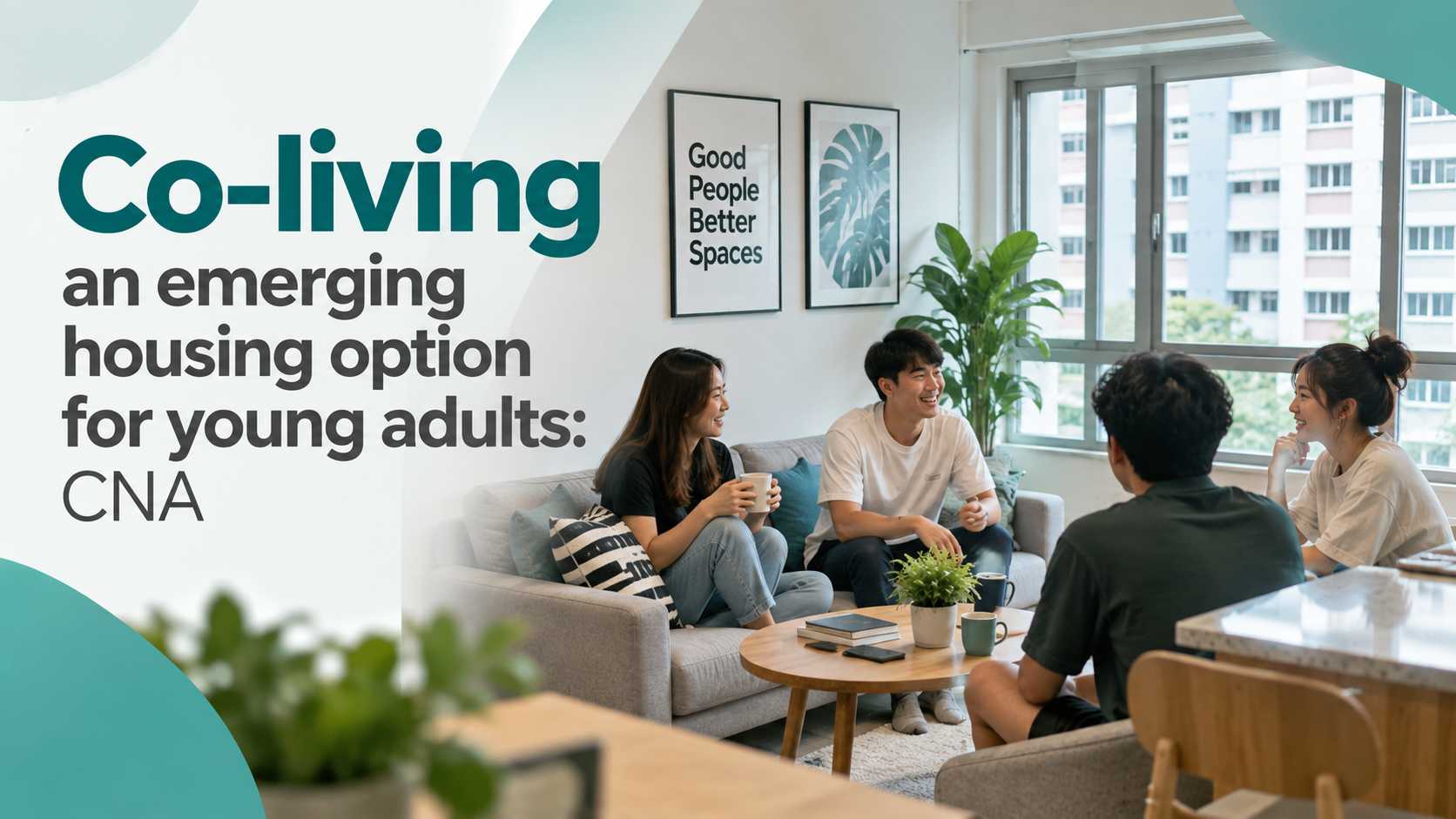
According to a recent news report by CNA, co-living is emerging as a new housing option for young adults in Singapore, offering greater flexibility and independence before home ownership.

According to the Urban Redevelopment Authority (URA), private residential properties (condos, apartments, landed homes) require a minimum continuous lease of 3 consecutive months. Learn more in this article.