Co‑living for Students in Singapore
Struggling to find on‑campus accommodation? Explore co‑living for students in Singapore, including costs, benefits and tips, plus why CoHome SG is the best choice.
A good room viewing in Singapore should do more than confirm whether the bed fits and the photos were accurate. It is your best chance to spot hidden costs, awkward house rules, maintenance problems, noise issues, and commute surprises before you sign anything. The rental market moves quickly, but rushing a viewing can turn a convenient room into months of avoidable frustration.
This room viewing checklist is designed for renters comparing private rooms, shared apartments, and managed homes across Singapore. Use it on-site, take notes on your phone, and ask direct questions while the agent, landlord, or operator is still in front of you. The goal is simple: leave the viewing knowing what the room costs, how it works day to day, and whether it fits your routine.
Start with the total monthly amount, not just the advertised rent. Ask whether utilities, Wi-Fi, air-conditioning servicing, common-area cleaning, minor repairs, and administrative fees are included. If there is a utilities cap, check the cap amount, how excess usage is calculated, and whether bills are shared evenly or charged by room.
For searches like room rental Singapore and rent a room in Singapore, price is usually the first filter. In real life, it should also be the first thing you clarify. A room that looks cheaper online may cost more once separate bills are added.
Ask how much deposit is required, when it is refundable, and what deductions may apply at move-out. Clarify the minimum lease period, renewal process, early termination rules, and required notice period. If the person showing you the room gives vague answers, ask for the terms in writing before making payment.
Do not assume every room has reliable connectivity. Stand inside the room, close the door, and check your mobile signal. If Wi-Fi is already installed, run a quick speed test from the bed or desk area. This matters especially if you work from home, take video calls, study online, or stream regularly.
Open and close the window. Look for signs of water leakage, mould, warped frames, or poor airflow. A bright room can still feel uncomfortable if it traps heat or humidity. In Singapore, ventilation affects sleep quality, laundry drying, odour control, and how often you need air-conditioning.
Switch on the air-conditioner during the viewing if possible. Listen for rattling, check whether the airflow is strong, and ask how often servicing is done. Confirm whether air-conditioning usage is metered separately, included under a utilities cap, or fully bundled into the rent.
Inspect corners, the back of wardrobes, window ledges, bathroom ceilings, kitchen cabinets, and areas near pipes. A faint musty smell, peeling paint, small droppings, or stains near skirting boards can point to bigger maintenance issues. These problems are not always visible in listing photos.
Count the sockets and check where they are located. If you need a laptop, monitor, lamp, charger, hairdryer, or air purifier, one inconvenient socket can become a daily irritation. If a desk is included, sit at it. Check lighting, chair comfort, and whether there is enough space for your actual work or study setup.
Open the wardrobe and drawers. Look for usable hanging space, shelves, luggage storage, and any locked compartments that are not available to tenants. A compact room can work well if storage is thoughtful. A larger room can feel messy quickly if everything ends up on the floor.
Spend time in the kitchen, bathroom, laundry area, living room, and entryway. Check fridge space, cooking facilities, washing machine access, drying space, bathroom cleanliness, and general organisation. Shared spaces reveal how the home is managed and how comfortable daily life is likely to feel.
You do not need personal details, but you should know how many people share the unit, how many bathrooms are available, and whether the household is mostly students, professionals, shift workers, or mixed. Lifestyle alignment matters. A beautifully furnished room may not suit you if the household rhythm clashes with yours.
Ask about visitors, overnight guests, cooking, quiet hours, smoking, pets, cleaning duties, parcel deliveries, and use of common areas. House rules are not automatically bad. Clear rules can make shared living smoother. The problem is discovering them only after moving in.
Do not rely only on map distance. Walk the route if you can. Check whether the path is sheltered, well lit at night, and realistic with groceries or luggage. A room listed as near MRT can still be inconvenient if the walk involves long crossings, steep slopes, or poor pedestrian access.
Look for supermarkets, hawker centres, coffee shops, clinics, laundromats, gyms, and convenience stores nearby. A good room is not just a private space. It is part of a routine. The easier your daily errands are, the less the rental will drain your time and energy.
If you like the room, take clear photos of scratches, stains, dents, broken fittings, loose handles, and damaged furniture before signing or moving in. Send them by email or message so there is a timestamped record. This protects both renter and landlord when the deposit is assessed later.
Be careful if you are pressured to transfer money immediately, cannot view the room, are asked to pay to a personal account without documentation, or receive terms that do not match the listing. Before paying, confirm the company or landlord details, ask for a proper invoice or receipt, and make sure the room address, rent, deposit, and move-in date are written clearly.
Bring your phone charger, measuring tape, a small notepad or notes app, your commute destination, and a list of deal-breakers. If you are comparing multiple rooms in one day, take the same set of photos and notes at each viewing. This makes it easier to compare rooms objectively later instead of relying on memory.
A room can look impressive during a ten-minute viewing and still be wrong for your daily life. Before committing, imagine a normal weekday: waking up, showering, commuting, working, cooking, doing laundry, taking calls, and winding down. If the room supports that routine smoothly, it is probably a strong fit.
Use this checklist every time you view a room in Singapore. It gives you a practical way to slow the decision down just enough to avoid surprises while still moving quickly when the right place appears.

Struggling to find on‑campus accommodation? Explore co‑living for students in Singapore, including costs, benefits and tips, plus why CoHome SG is the best choice.
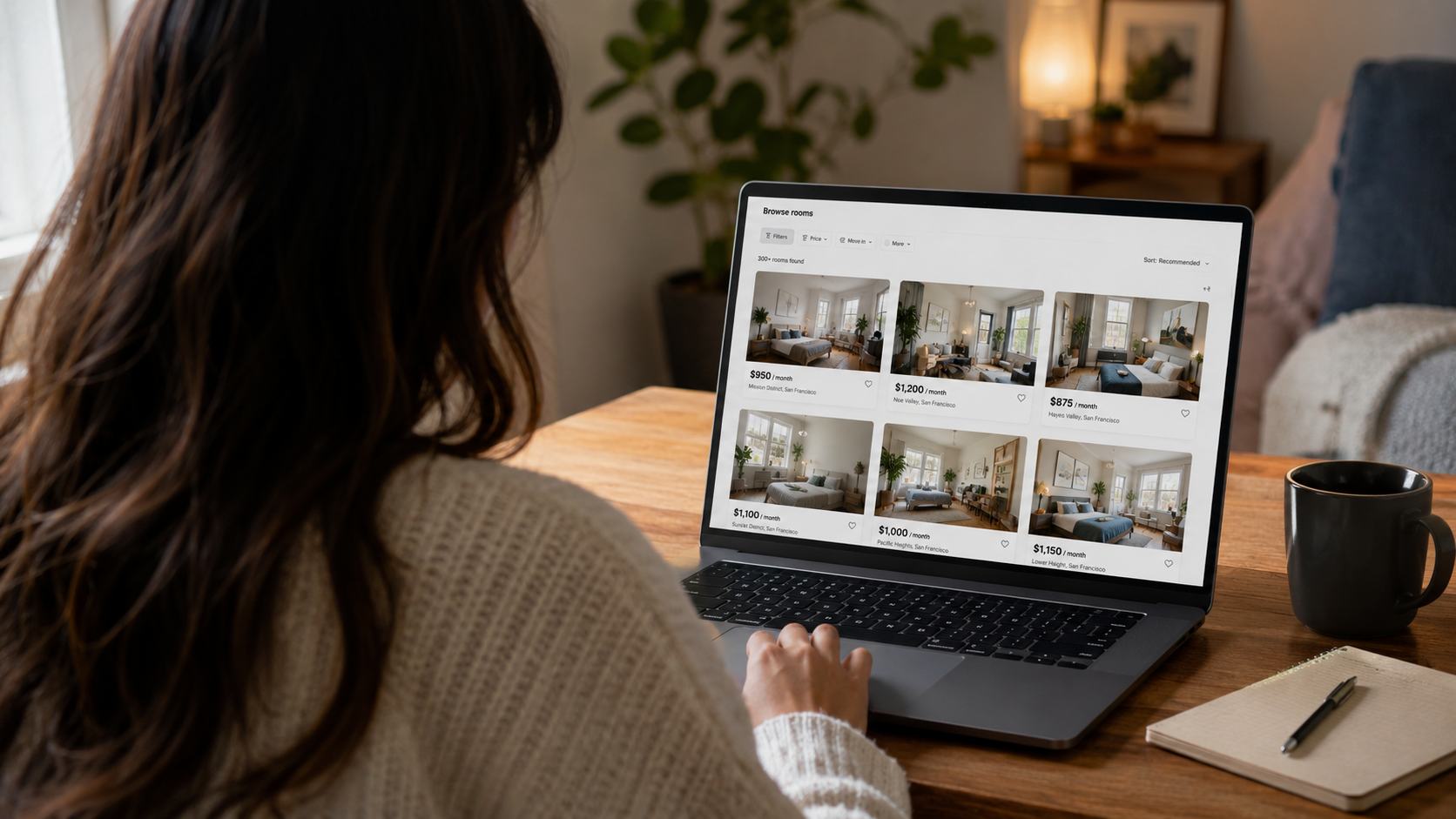
Learn how to read Singapore rental listings with confidence, from utilities and lease terms to deposits, agent fees, room rules, and common red flags.

Discover the top Singapore neighbourhoods for young professionals, with detailed guides on nearby facilities, MRT stations, bus stops, and commute times to the CBD, One-North, Jurong Business Park and other business hubs.